Neuroscience.
Dopamine, oxytocin, vasopressin, and the ancient brain circuits that make new love feel like addiction and long love feel like home.
5 pieces · tag: neuroscience
 Article
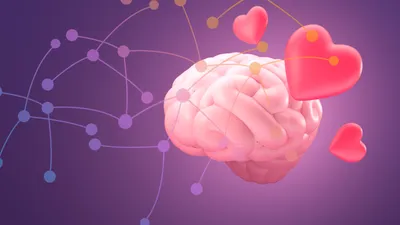
 The neuroscience of love — what's actually happening in your brain.
Dopamine, oxytocin, vasopressin, and the ancient brain systems that make new love feel like an addiction and long love feel like home. The biology, written for humans.
 Article
 Why heartbreak physically hurts
The ache behind your ribs is real. Here's what's actually happening in your brain when someone you love is gone — and why it's supposed to hurt this much.
Q&AIs love just chemistry?
No. Oxytocin, dopamine, and vasopressin are involved when we bond — but reducing love to that chemistry is like reducing music to air pressure waves. Technically accurate, and missing the point.
Q&AWhat's the difference between love and lust?
Lust, attraction, and attachment run on different neurochemical systems and different timelines. Lust fades in weeks. Attachment, if it's there, outlasts the chemistry that got you there.
Q&AWhat does the science of love say?
Attachment theory maps how early bonds shape adult relationships into secure, anxious, or avoidant patterns. Neuroscience tracks the reward circuits that fire near the people we love. None of it tells you whether to stay.