The philosophy of love.
From the Greeks naming four kinds of love, through Augustine and Aquinas, into existentialism, contemporary analytic philosophy, and the postmodern critique. The questions philosophers have asked about love, with a translation of why each one matters at 1 a.m.
8 pieces · tag: philosophy
 Article
 Amatonormativity: the hidden pressure to find 'the one.'
Why society's obsession with romantic relationships might be making you feel broken — when you're actually perfectly whole.
 Article
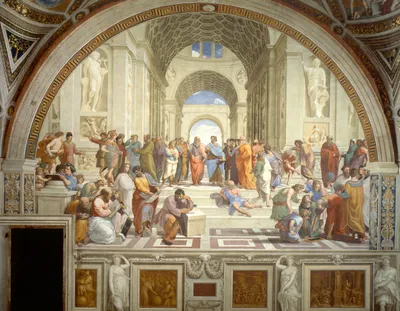
 What the ancient Greeks figured out about love.
They didn't have one word for love. They had four. Knowing which one you mean — eros, philia, storge, or agape — explains most arguments about whether something 'counts' as love.
 Article
 Medieval thinkers asked: how do you love a person without making them your god?
Augustine and Aquinas inherited Greek philosophy and Christian theology and tried to reconcile them. Their answer — love is ordered, and disordered love makes us miserable — still describes most heartbreak.
 Article
 Three meanings hiding inside one word.
The word love does a lot of jobs. The dopamine rush, the slow oxytocin warmth, the daily practice — three meanings, one word.
 Article
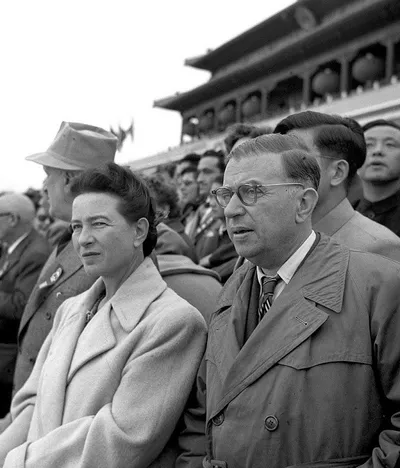
 What modern philosophers ask about love that nobody asked before.
Can you love someone's freedom without trying to possess it? Can love be rational? Is your partner replaceable in principle? The questions sound abstract; the answers shape modern dating.
 List
List The books that taught us most about love.
A curated bookshelf on love — the titles we recommend first, plus the bestsellers and highest-rated books readers love. Neuroscience, philosophy, attachment, and the practice of long love.
Q&AWhat did the philosophers say love is?
Plato argued love is the pursuit of the beautiful and good. Buddhist tradition centers metta, loving-kindness extended to all beings. Erich Fromm insisted love is a skill that has to be practiced over a lifetime.
Q&AWhat is love?
Sustained care for another person's flourishing, with or without the rush of feeling. Love behaves like neurochemistry, philosophical commitment, and daily practice all at once.