
Love in culture.
How love looks different in 147 societies and how it stays the same. Bento boxes, lovespoons, Korean matching outfits, Zulu beadwork, and the five-language vocabulary that helps couples translate.
4 pieces · tag: culture
 Article
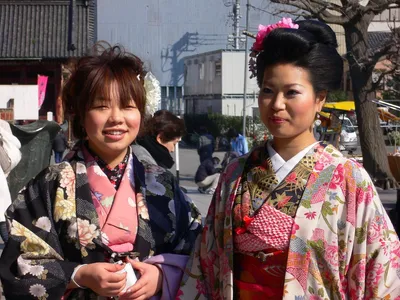
 How love looks different in 147 cultures (and how it stays the same).
The phrase 'I love you' feels universal. Its expression is not. From Japanese amae to Welsh lovespoons to Zulu beadwork, a tour of how humans show love when words aren't the medium.
 Article
 The 5 love languages: imperfect psychology, useful vocabulary.
Gary Chapman's framework isn't rigorous science. What it does well is give partners a shared way to talk about one of the hardest conversations: how do you feel loved? Most arguments about 'you don't love me' turn out to be arguments about translation.
 Article
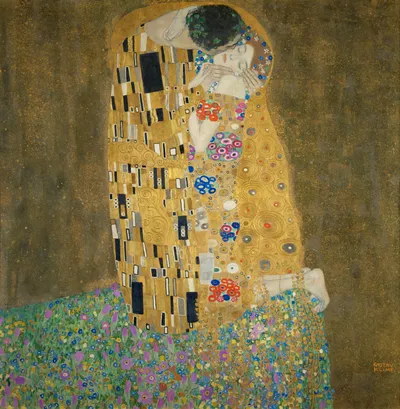
 Why we make art about love (and what it does to us when we consume it).
Art doesn't just reflect love — it actively shapes what we expect love to be. Recognizing the shaping is what lets you tell the difference between a love that's actually working and one that doesn't look like the movies.
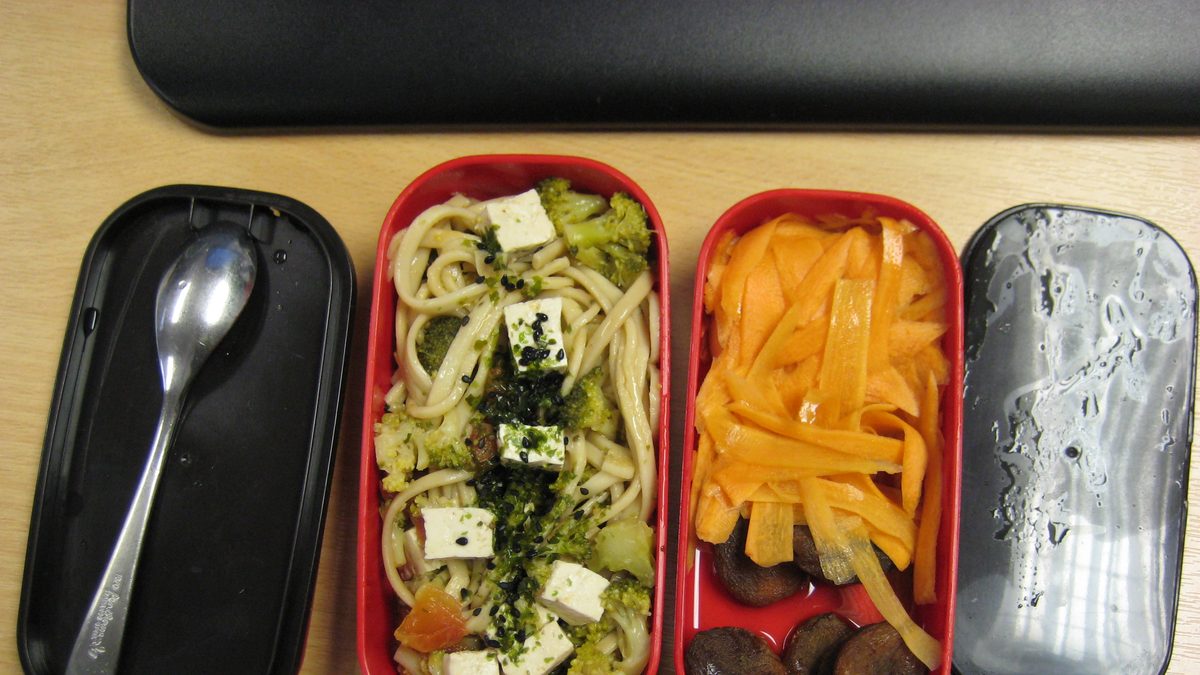
A silent language of love in a lunchbox.
In Japanese kitchens, love speaks through rice, seaweed, and the quiet attention of someone packing your bento before dawn. A tradition that turns a meal into a daily declaration.