Start here.
The core ideas the rest of the site builds on — what love actually is (it's not one thing), how to tell when it's real, and why the chemistry settling isn't love dying.
13 pieces · tag: foundations
 Article
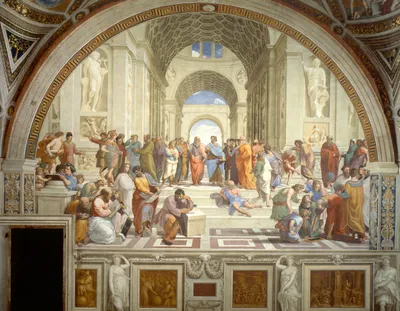
 What the ancient Greeks figured out about love.
They didn't have one word for love. They had four. Knowing which one you mean — eros, philia, storge, or agape — explains most arguments about whether something 'counts' as love.
 Article
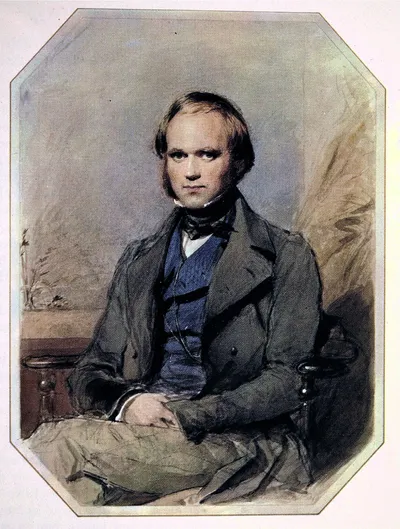
 Why we evolved to love — the survival problem love was built to solve.
Love isn't a luxury or a cultural invention. It's an ancient biological system that solved one of evolution's hardest problems: how do you get two people to stick together for the 15 years a human child needs to grow up?
 Article
 How love looks different in 147 cultures (and how it stays the same).
The phrase 'I love you' feels universal. Its expression is not. From Japanese amae to Welsh lovespoons to Zulu beadwork, a tour of how humans show love when words aren't the medium.
 Article
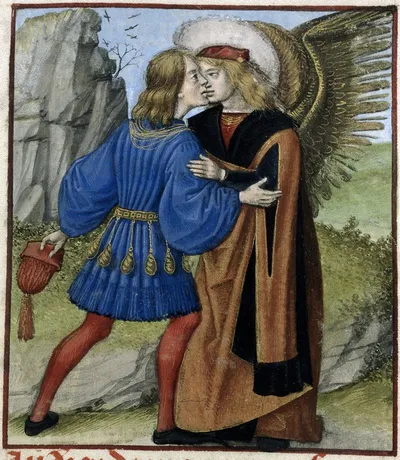
 Medieval thinkers asked: how do you love a person without making them your god?
Augustine and Aquinas inherited Greek philosophy and Christian theology and tried to reconcile them. Their answer — love is ordered, and disordered love makes us miserable — still describes most heartbreak.
 Article
 The neuroscience of love — what's actually happening in your brain.
Dopamine, oxytocin, vasopressin, and the ancient brain systems that make new love feel like an addiction and long love feel like home. The biology, written for humans.
 Article
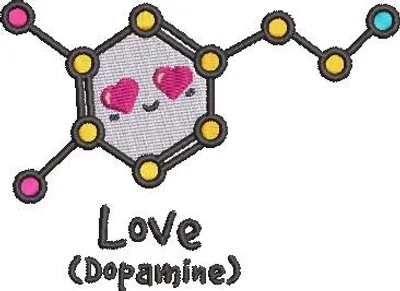
 Three meanings hiding inside one word.
The word love does a lot of jobs. The dopamine rush, the slow oxytocin warmth, the daily practice — three meanings, one word.
What brings you here today?
A few honest questions about what you're going through, then a pointer to what will actually help. Two minutes. No email, no score, no type.
Q&AHow do I know if it's real love?
Honest test: would you choose them on a boring Tuesday in February? Feelings fluctuate. Real love is what you do when the feeling goes quiet.
Q&AIs love just chemistry?
No. Oxytocin, dopamine, and vasopressin are involved when we bond — but reducing love to that chemistry is like reducing music to air pressure waves. Technically accurate, and missing the point.
Q&AWhat's the difference between love and lust?
Lust, attraction, and attachment run on different neurochemical systems and different timelines. Lust fades in weeks. Attachment, if it's there, outlasts the chemistry that got you there.
Q&AWhat does the science of love say?
Attachment theory maps how early bonds shape adult relationships into secure, anxious, or avoidant patterns. Neuroscience tracks the reward circuits that fire near the people we love. None of it tells you whether to stay.
Q&AWhat did the philosophers say love is?
Plato argued love is the pursuit of the beautiful and good. Buddhist tradition centers metta, loving-kindness extended to all beings. Erich Fromm insisted love is a skill that has to be practiced over a lifetime.
Q&AWhat is love?
Sustained care for another person's flourishing, with or without the rush of feeling. Love behaves like neurochemistry, philosophical commitment, and daily practice all at once.